I've been thinking about creating a service to support adult literacy programs. I will be getting a lot of my information from Put Reading First. To know the 5 components of reading is good for a teacher, but it is also important for the learner. Again those components are:
1. Phonemic Awareness
2. Phonics
3. Fluency
4. Vocabulary
5. Comprehension
All 5 components are vital behaviors that support good literacy skills. In addition to this it is important to know that confidence is also important...even through mistakes. Reading is a process and even some of the most skilled readers will eventually come across something that is just way above their heads.
So, I'll post more on this. I want to address each component as it relates to adult literacy - but this will come later.
Friday, June 3, 2011


Friday, April 29, 2011


Wednesday, April 27, 2011
Expect New Posters
New posters will be available. I'm working on 2 sets both targeting literacy. The first showcases the 5 components of reading. I believe in being upfront with my students, and let them know why we do what we do. Especially for my students with learning disabilities. They need to know why they are practicing words that are smaller than the words their peers are reading. So, I introduce the 5 components of reading, which can be found in the Reading First Pamphlet.
The five components are:
1. Phonemic Awareness
2. Phonics
3. Fluency
4. Vocabulary
5. Comprehension
In a few days I will post student friendly posters that can be downloaded and used at your discretion.
I usually use these posters in on of my opening lessons at the beginning of the year. This is actually a 2nd of 2 opening lessons. I'm still working on tweaking the first of my opening lessons, because I want to make sure my lesson is aligned with the new components of the core for Language Arts.
Look for that next.
The five components are:
1. Phonemic Awareness
2. Phonics
3. Fluency
4. Vocabulary
5. Comprehension
In a few days I will post student friendly posters that can be downloaded and used at your discretion.
I usually use these posters in on of my opening lessons at the beginning of the year. This is actually a 2nd of 2 opening lessons. I'm still working on tweaking the first of my opening lessons, because I want to make sure my lesson is aligned with the new components of the core for Language Arts.
Look for that next.
Wednesday, February 9, 2011
I'm a special education teacher, but last month my principal asked me to go to a conference for gifted students. I was skeptical as to whether I would learn anything relating to my field, but I actually learned quite a bit. I made a couple of Power Points as a homework assignment (so I could get college credit for attending the conference.) One is about placement to share with all of my colleagues and the other is to share the information I learned with other special education teachers. Enjoy.
Comprehension Posters

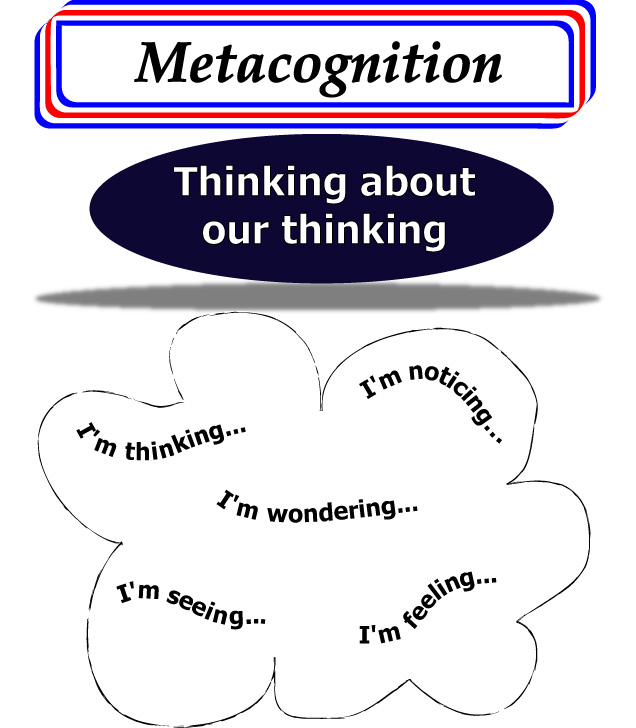


I made these posters to go along with Comprehension lessons. Feel free to download and use them as you like.
Tuesday, February 8, 2011
Beginning, Middle, and End of a Story

Basic reading comprehension can be taught as early as Kindergarten (possibly younger). Use a wordless picture book with all narrative components. The attention getting device can be the book itself, but I also like to use an analogy of a peanut butter and jelly sandwich. The Beginning of the Story is like the top piece of bread. The middle is the peanut butter, jelly, and anything else you want to put in the middle. The middle could be long or short. The end of the story is the bottom piece of bread.
You can also talk about the characters, setting, and maybe even the plot.
Here's a visual you can print out and use.
Subscribe to:
Posts (Atom)